The Brain, Behavior & Recovery: Why People Do What They Do and What We Can Do Differently
After more than 20 years working in behavioral health and mental health, I have learned that some of the most challenging behaviors we see are often the behaviors we understand the least. In this 90-minute interactive workshop, I will take a practical look at how stress, trauma, brain functioning, emotional regulation, cravings, and mental health can influence the way people think, communicate, and make decisions. My goal is to connect the research to what professionals experience every day with clients. Participants will explore how to look beyond behaviors such as anger, resistance, avoidance, relapse, or disengagement and ask, “What might be happening underneath this behavior?” We will also look at how our own words, assumptions, and reactions can either build connection or unintentionally create more resistance. Participants will learn to identify at least three ways stress and trauma can affect behavior and decision-making, recognize language that may increase stigma or resistance, and use practical trauma-informed and motivational interviewing strategies to improve difficult conversations. I will use real-life examples, case scenarios, audience participation, brief activities, humor, and role-play to keep the session engaging and relevant. One activity will challenge participants to “reframe” common statements we hear in behavioral health and consider what the client may actually be hearing. We will also discuss realistic situations involving relapse, emotional dysregulation, resistance, and difficult interactions and work together to identify different ways of responding. I want participants to leave with more than information. I want them to leave with a different way of looking at behavior, a few new tools they can use immediately, and a renewed sense of why the work we do matters.
Speakers
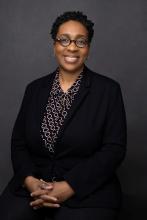
Michelle McIver is a seasoned behavioral healthcare executive with over 19 years of experience leading high-impact organizations through strategic planning, operational transformation, and financial growth. Michelle holds a Master of Social Work from West Chester University and a Bachelor of Science in Human Services from Lincoln University. She is grounded in the 12-steps as a person living in long-term recovery.
Michelle served as CEO for an inpatient and outpatient behavioral health facility. She is currently the COO for a non-profit here in the state of Delaware. Throughout her career, she has led organizations that serve individuals living with substance use disorders and mental health issues, through regulatory readiness for CARF, DSAMH, accreditation, implemented scalable business development models, and cultivated high-performing leadership teams. She excels in merging operational cultures, managing organizational change, and executing strategic initiatives that respond to evolving participants’ needs.
Michelle is known for her structured approach to strategic planning, leading initiatives that include policy development, earmark implementation, and comprehensive budget forecasting. Her strong fiscal acumen is complemented by an unwavering commitment to quality care and workforce development. She is known for her exceptional ability to align clinical excellence with business performance.
A sought-after speaker and community advocate, she continues to shape the behavioral health field through innovation, operational rigor, and ongoing compassion. Outside of work, Michelle enjoys spending time with family and cheering on her favorite team as a devoted Philadelphia Eagles fan.