Overlapping Ecologies & the ESTATE Model: A New Lens for Strengthening Treatment Systems
Substance use treatment systems are frequently characterized by fragmentation across clinical, relational, organizational, and policy domains. Existing frameworks guide treatment placement, ethical practice, and implementation, yet these frameworks are often applied independently. This presentation introduces an overlapping ecological framework that conceptualizes treatment environments as the interaction of three ecological domains: Self‑Determination, Quality of Treatment, and Societal and Political Forces. Structural gaps emerge when alignment among these domains breaks down, resulting in conceptual, implementation, and policy challenges that affect treatment access, delivery, and sustainability.
Building on this foundation, the session will introduce the Ecological Systems Theory Applied to Treatment Environments (ESTATE) model, which expands the overlapping ecology by illustrating how treatment systems evolve through interactions among lawmakers, educators and researchers, regulatory bodies, and practitioners. Whereas the overlapping ecological framework identifies structural gaps within treatment systems, ESTATE conceptualizes how stakeholder actions influence the emergence, persistence, and resolution of those gaps across a continuous research and implementation life cycle. This expanded ecological perspective clarifies how policy shifts, dissemination efforts, and contextual factors shape treatment environments over time and highlights opportunities for strengthening ecological alignment within substance use treatment systems.
By the end of this workshop, participants will:
1. Explore how overlapping ecologies influence substance use treatment environments and shape client engagement.
2. Identify three types of structural gaps—conceptual, implementation, and policy—that emerge from ecological misalignment and impact treatment outcomes.
3. Utilize the ESTATE model to recognize how stakeholder contact points (e.g., policymakers, educators, regulatory bodies, practitioners) influence the treatment field across the research and implementation life cycle.
Speakers
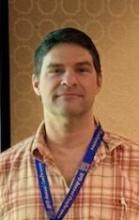
Jesse Tallyen, DSW, LCSW, LCDP, CADC, CPRS, is a clinician, researcher, and educator whose work focuses on substance use treatment, client engagement, and the systems that shape treatment access and delivery. He earned his Doctor of Social Work from Delaware State University, where he has also served as an adjunct instructor and researcher in the Department of Social Work. His clinical experience includes substance use and co-occurring disorder treatment across outpatient, intensive outpatient, and residential settings. Tallyen’s recent scholarship has explored office-based addiction treatment, rural social work, and the interaction between treatment systems and the communities they serve. His work has been published in the Delaware Journal of Public Health, and he has presented and conducted trainings on addiction treatment, rural social work, and treatment-system development.